
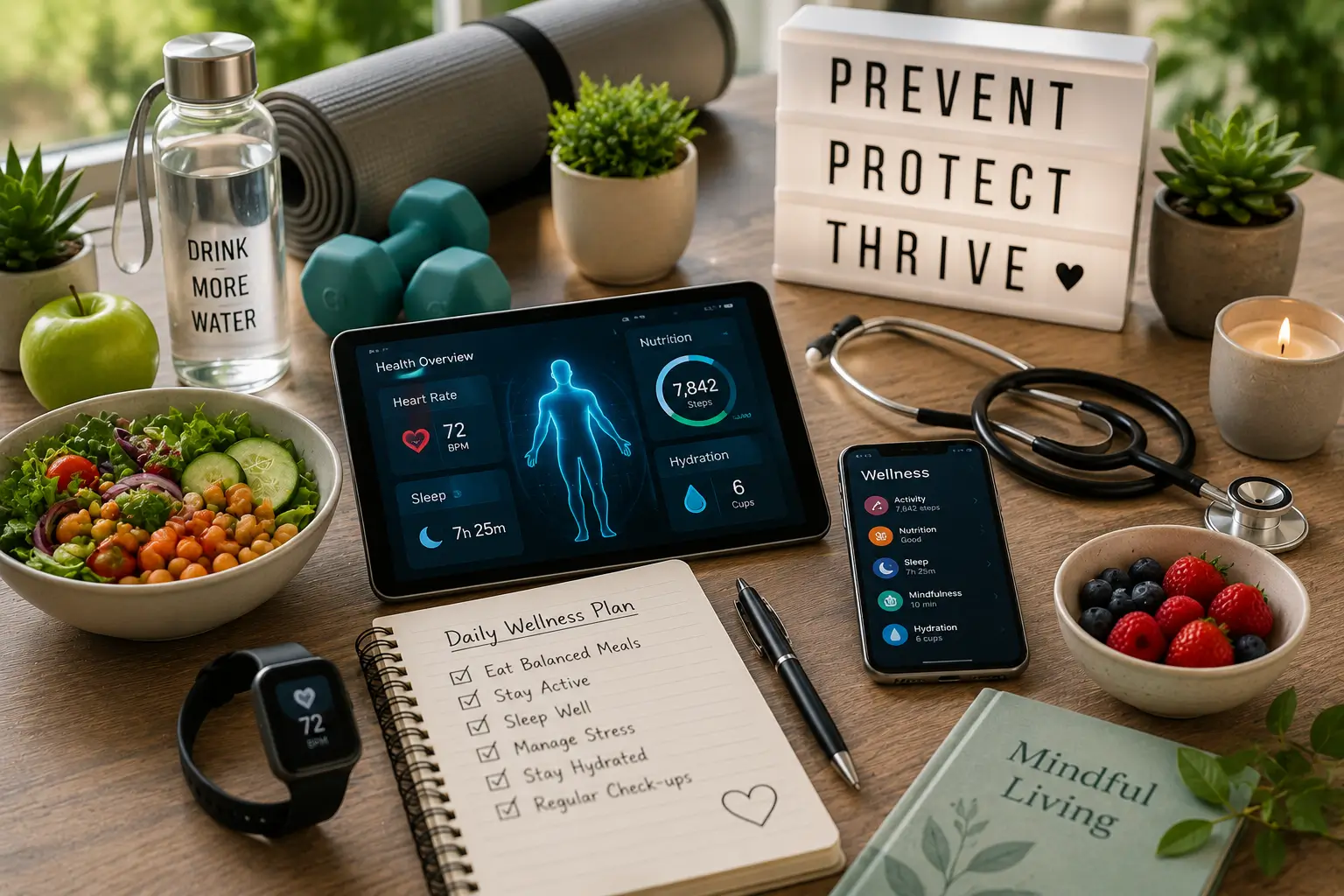
For much of the last century, healthcare operated on a largely reactive model: people sought medical attention once something had already gone wrong. That model is gradually giving way to a more proactive approach, one focused on catching potential problems early, understanding personal risk factors, and building the kind of long-term habits and support systems that reduce the likelihood of serious illness in the first place. This shift reflects both advances in medical understanding and a broader cultural change in how people relate to their own health.
Preventative health isn’t about anxiety or obsessive monitoring — done well, it’s quite the opposite, offering genuine peace of mind through informed, proactive choices rather than uncertainty and reactive worry. Below, we look at four areas central to this shift: regular screening, digital health tools, the role of genuine support networks, and the growing focus on wellbeing within the workplace itself.
The Value of Regular Screening
Early detection remains one of the most powerful tools in modern medicine, and yet screening uptake for many conditions remains lower than health professionals would like, often due to a combination of inconvenience, anxiety about results, or simple lack of awareness about what screenings are recommended and when.
Age and risk-appropriate screening — for cardiovascular health, certain cancers, diabetes, and other common conditions — offers a genuine opportunity to catch developing issues while they remain highly treatable, often long before symptoms would otherwise prompt a visit to the doctor. The challenge lies partly in awareness: many people simply don’t know which screenings apply to them at different life stages, and healthcare systems don’t always do a particularly good job of proactively communicating this information to patients.
Beyond formal medical screenings, a growing number of people are also paying closer attention to regular self-monitoring — tracking changes in their own bodies, energy levels, and general wellbeing over time, and treating unusual or persistent changes as worth investigating rather than dismissing. This kind of body awareness, paired with appropriate professional screening, forms a genuinely powerful combination for catching potential issues early, when intervention tends to be simplest, least invasive, and most effective.
Digital Health and the Rise of Wearables
Technology has transformed how many people engage with their own health data, moving what was once the exclusive domain of medical professionals into the hands of individuals themselves. Wearable devices tracking heart rate, activity levels, sleep patterns, and even blood oxygen saturation have become increasingly mainstream, offering a level of personal health insight that would have been genuinely remarkable even a decade ago.
This shift has generally been a positive one, prompting many people to pay closer attention to patterns they might otherwise have ignored entirely — noticing, for instance, that poor sleep consistently follows certain habits, or that resting heart rate trends upward during particularly stressful periods. Used thoughtfully, this kind of data can genuinely support better decision-making around lifestyle and, in some cases, prompt earlier medical consultation than might otherwise have occurred.
That said, there’s a balance to strike. Excessive focus on health metrics can, for some people, tip into genuine anxiety rather than empowerment, turning what should be a helpful tool into a source of stress. The most effective use of digital health tools tends to involve treating the data as useful context rather than an absolute verdict — a starting point for noticing patterns and asking better questions, not a substitute for professional medical judgement when something genuinely warrants attention.
Building a Genuine Support Network
Health outcomes are shaped by far more than individual choices around diet, exercise, and sleep. Increasingly, research points to the significant role that social support and community play in long-term health and resilience, particularly during periods of illness, stress, or major life transition.
Having people to genuinely rely on — for practical support, emotional reassurance, or simply company — has been consistently linked to better health outcomes across a wide range of conditions, from cardiovascular disease to mental health struggles to recovery from serious illness or injury. This has prompted a growing recognition within healthcare itself that treating the whole person, including their social and emotional context, tends to produce better outcomes than a narrow focus on physical symptoms alone.
Building this kind of support doesn’t require an extensive social circle; even a small number of genuinely close, reliable relationships can make a significant difference. What matters more than quantity is a degree of authenticity and reliability — knowing that support exists when it’s genuinely needed. For many people, maintaining these relationships requires deliberate ongoing effort, particularly amid busy schedules, but the long-term health return on that investment is difficult to overstate.
Wellbeing in the Workplace
Given how much of adult life is spent at work, it’s unsurprising that workplace culture has become an increasingly significant factor in overall health and wellbeing. Employers have gradually recognised this, with a growing number moving beyond token wellness perks towards more substantive changes in how work itself is structured and managed.
Genuine workplace wellbeing tends to involve more than gym memberships or occasional wellness days, however welcome those additions might be. It increasingly means addressing root causes of workplace stress — unsustainable workloads, poor management practices, lack of autonomy — rather than simply offering resources to help employees cope with problems that could be addressed more directly at a structural level. Businesses that take this more substantive approach tend to see measurably better outcomes, both in terms of employee wellbeing and, often, overall productivity and retention as well.
Flexible working arrangements have also played a meaningful role in this shift, allowing employees greater control over how and when they manage both work and personal health needs — attending medical appointments, managing chronic conditions, or simply structuring their day around when they feel most capable of doing focused, quality work. This same interest in structuring life around genuine wellbeing extends well beyond the traditional working week too, shaping how people spend their leisure time and, increasingly, how they approach culture, entertainment, and the spaces where communities come together outside of work altogether.
Preventative health, at its core, is about shifting from a reactive to a proactive relationship with one’s own body and mind. It doesn’t require constant vigilance or anxiety — just consistent, informed attention paired with the genuine support systems, both medical and social, that make sustained wellbeing possible over the long term. And as with so much of modern life, this proactive mindset increasingly extends beyond the individual, shaping how communities gather, connect, and support one another through shared cultural experiences as much as through formal healthcare.
