
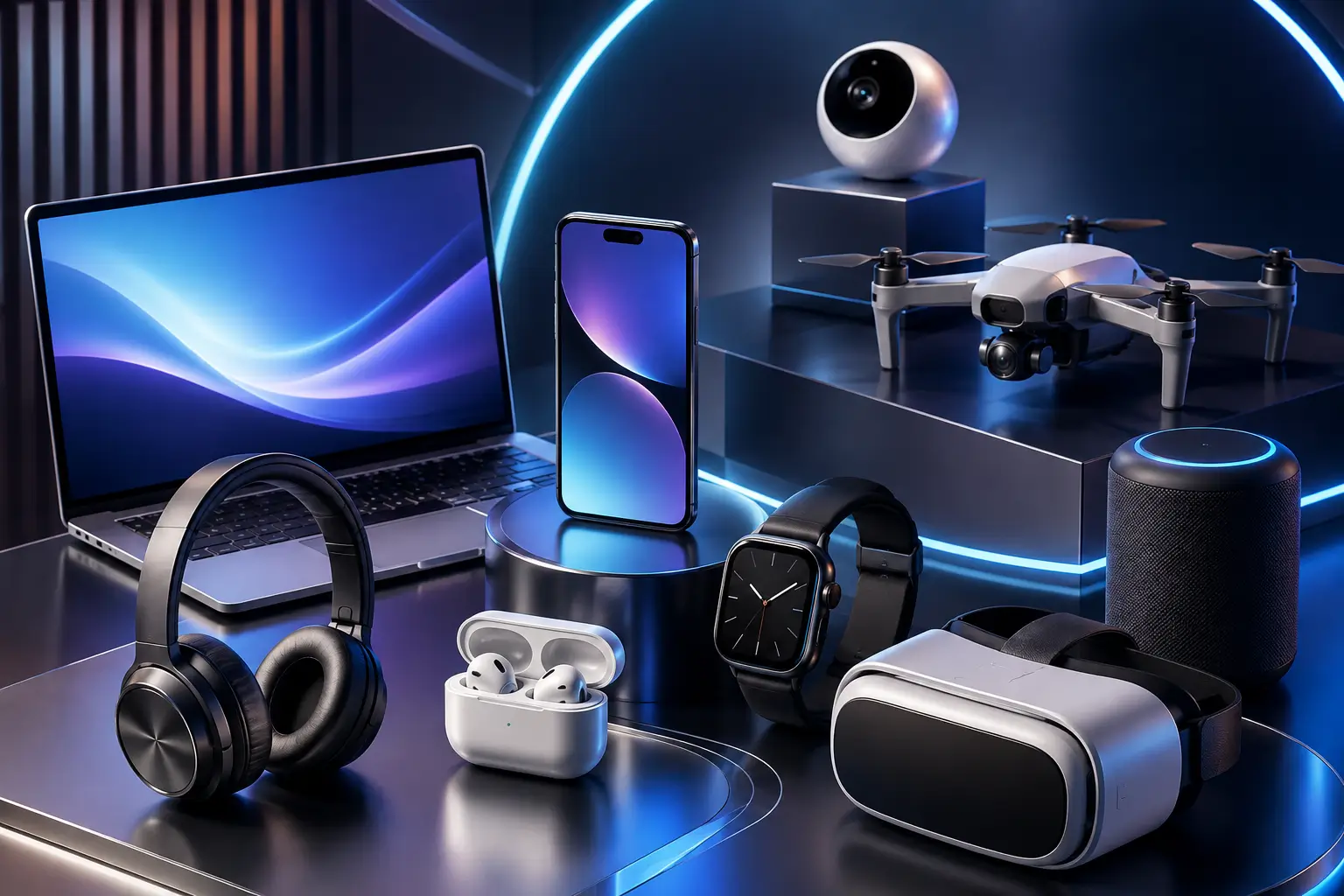
The pace of consumer technology can feel relentless — a constant stream of new devices, upgrades, and gadgets, each promising to make some aspect of daily life easier, more efficient, or more enjoyable. It’s easy to become cynical about this cycle, dismissing much of it as unnecessary novelty. Yet beneath the hype, genuine and meaningful shifts are happening in how technology integrates into everyday life, often in ways that go well beyond the specific device generating headlines at any given moment.
Understanding which of these shifts genuinely matter, rather than simply chasing every new release, has become something of a skill in its own right. Below, we look at four areas where consumer technology is having a genuinely significant impact: the smart home and wearable devices, thoughtful personal tech upgrades, the growing focus on sustainable technology, and how technology is reshaping hobbies and leisure time.
The Smart Home and Wearable Technology
Smart home technology has moved considerably beyond its early, somewhat gimmicky reputation into genuinely practical territory, with a growing range of devices offering real, measurable improvements to daily convenience, security, and energy efficiency, rather than novelty for its own sake.
Smart thermostats, lighting systems, and security devices have become particularly mainstream, offering genuine practical benefits — reduced energy costs, improved home security, and simply greater convenience in managing a household remotely. What’s changed most significantly in recent years is interoperability: earlier generations of smart home devices often required separate, incompatible apps and ecosystems, creating genuine frustration for consumers. Growing industry standardisation has made it considerably easier to build a smart home ecosystem that actually works cohesively together, rather than as a disconnected collection of individually clever but poorly integrated devices.
Wearable technology has followed a similar trajectory, moving from simple step-counting novelties to genuinely sophisticated health and fitness tools capable of tracking everything from heart rate variability to blood oxygen levels to sleep quality in meaningful detail. This data has become genuinely useful for many people in understanding their own health patterns, though as with any health technology, the real value lies in how thoughtfully that data actually gets used and interpreted, rather than in the raw sophistication of the device collecting it.
Making Smart Personal Tech Upgrades
With near-constant new product releases, deciding when and what to actually upgrade has become a genuinely important consideration, both financially and environmentally. The old assumption that newer automatically means meaningfully better has become considerably less reliable, particularly as core technology in many categories — smartphones especially — has matured to the point where year-over-year improvements are often genuinely incremental rather than transformative.
This has prompted a growing number of consumers to adopt a more considered, less reflexive approach to personal tech upgrades, focusing on genuine functional need rather than simply following release cycles. Extending the useful life of existing devices — through repairs, battery replacements, or simply resisting the urge to upgrade before a device’s genuine functional lifespan has been reached — has become both a more financially sound and more environmentally conscious approach, one that a growing number of manufacturers are being pushed to actively support through improved repairability and longer software support commitments.
When upgrades do make sense, understanding genuine priorities — camera quality, battery life, display quality, or specific software capabilities — tends to lead to considerably better purchasing decisions than simply following general hype or marketing around whatever happens to be the latest release. This same disciplined, needs-based approach to technology spending mirrors the kind of careful evaluation that should guide any significant personal purchase , where genuine need and long-term value matter considerably more than simply having the newest available option.
Sustainable Technology and Responsible Consumption
The environmental footprint of consumer technology has become an increasingly significant concern, encompassing everything from the resource intensity of manufacturing to the growing challenge of electronic waste as devices are replaced with ever-greater frequency across the industry as a whole.
Manufacturers have faced growing pressure — from consumers, regulators, and environmental advocates alike — to address this footprint more seriously, resulting in genuine, if still incomplete, progress on issues like recycled materials, improved energy efficiency, and more accessible repair and recycling programmes. Right-to-repair movements have gained particular traction in recent years, pushing back against the historical trend towards devices that are deliberately difficult or expensive to repair, in favour of designs that genuinely support longer device lifespans and more accessible, affordable repair options for consumers.
Consumers, too, have played a meaningful role in this shift, with growing numbers actively seeking out more sustainably produced technology, properly recycling old devices rather than simply discarding them, and generally adopting more thoughtful consumption habits around technology more broadly. This growing awareness reflects a broader cultural shift already well underway across many areas of consumer spending — a genuine desire to understand and reduce the environmental impact of everyday purchasing decisions, technology very much included alongside more traditionally scrutinised categories like fashion or food.
Technology Reshaping Hobbies and Leisure
Beyond its more obviously practical applications, technology has also considerably reshaped how people pursue hobbies and spend leisure time, often opening up entirely new categories of activity that simply didn’t exist in any meaningful form even a decade or two ago.
Creative pursuits in particular have been transformed by increasingly accessible technology — sophisticated photo and video editing tools, music production software, and digital art platforms have all become dramatically more accessible than the specialist, expensive equipment and software they once required, allowing far more people to genuinely explore creative hobbies without the significant financial barrier to entry that once existed. This democratisation has, in turn, fuelled the broader creator economy, blurring the line between hobby and genuine, if often modest, income-generating pursuit for a growing number of people.
Gaming, too, continues to evolve considerably as both a hobby and, increasingly, a genuinely significant cultural and social activity in its own right, with cloud gaming and cross-platform play making the hobby considerably more accessible and flexible than in previous console-bound generations. This same technological sophistication increasingly extends into how people plan and manage their finances around these hobbies and leisure pursuits as well, with budgeting and subscription management tools helping consumers keep the genuinely growing array of digital subscriptions and recurring tech-related expenses from quietly accumulating into a meaningfully larger financial commitment than originally intended.
Consumer technology, at its best, doesn’t simply add novelty for its own sake — it genuinely enhances how people live, connect, create, and relax, provided it’s approached thoughtfully rather than reflexively. As the pace of innovation continues, the most valuable skill may increasingly be discernment: knowing which technology genuinely improves daily life, and which is simply noise competing for attention and spend.