
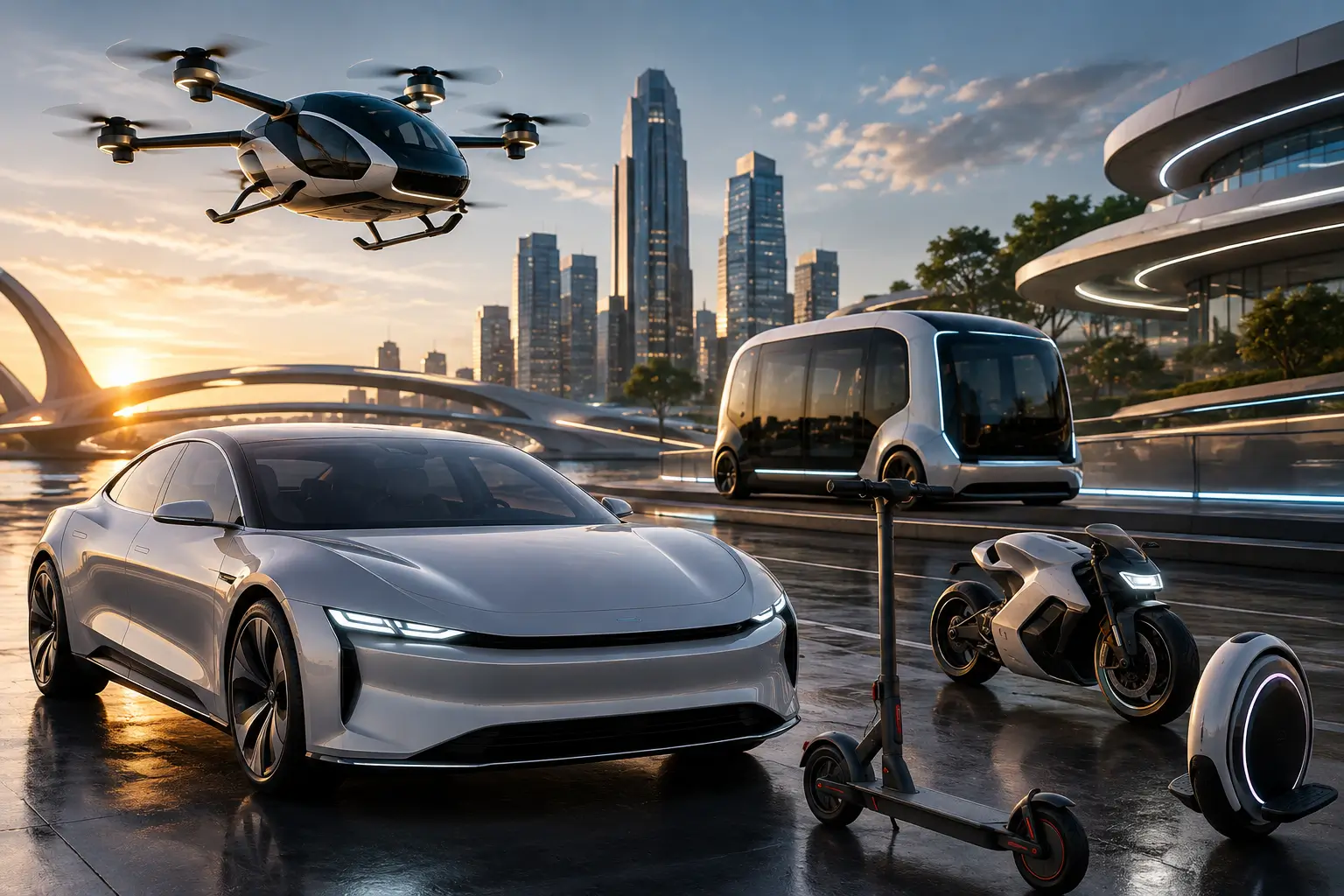
Few industries are undergoing as fundamental a transformation right now as personal transport. For over a century, the basic model of car ownership remained relatively stable — petrol or diesel engines, individual ownership, human drivers. Today, nearly every element of that model is being genuinely reconsidered, from how vehicles are powered to whether outright ownership even makes sense for a growing number of people, to how much of the driving experience itself might eventually be handed over to increasingly capable technology.
This transformation carries real implications well beyond the automotive industry itself, touching urban planning, environmental policy, and the everyday practicalities of how people move through their lives. Below, we explore four trends currently reshaping personal transport: the ongoing shift to electric vehicles, changing models of vehicle ownership, the advance of autonomous and connected driving technology, and how technology is reshaping the experience of travel itself.
The Electric Vehicle Transition
The shift towards electric vehicles has moved well beyond early-adopter enthusiasm into genuine mainstream consideration, driven by improving technology, expanding charging infrastructure, and growing regulatory pressure in many regions pushing towards reduced emissions from personal transport. What was once a genuinely niche category now represents a meaningful and rapidly growing share of new vehicle sales in many markets.
Battery technology has improved considerably, addressing many of the early concerns that held back broader adoption — range anxiety, in particular, has diminished significantly as newer electric vehicles offer genuinely practical range for the vast majority of everyday driving needs, even if long-distance travel still requires somewhat more careful planning than a conventional petrol or diesel vehicle. Charging infrastructure has expanded considerably as well, though availability and reliability still vary meaningfully by region, remaining a genuine consideration for anyone weighing an electric vehicle purchase, particularly those without reliable access to home charging.
Cost considerations remain genuinely complex for prospective buyers. While electric vehicles typically carry a higher upfront purchase price than comparable conventional vehicles, lower running and maintenance costs can offset this difference considerably over the vehicle’s lifetime, particularly for higher-mileage drivers. Government incentives, where available, can also meaningfully affect the overall cost calculation, though these vary considerably by region and have shifted considerably over time as adoption has grown, making it genuinely worth researching current, location-specific incentives rather than relying on outdated general assumptions.
Changing Models of Vehicle Ownership
Traditional outright vehicle ownership is increasingly just one option among several, as alternative models — leasing, subscription services, and car-sharing platforms — have grown considerably in popularity, particularly among younger consumers and those living in urban areas where the practical case for owning a personal vehicle has become genuinely less compelling.
Car-sharing and subscription services have proven particularly appealing for people who need occasional vehicle access without the considerable ongoing costs and responsibilities of full ownership — insurance, maintenance, depreciation, and parking, among others. These models have expanded considerably in urban areas especially, where robust public transport options combined with occasional car access often represents a genuinely more practical and cost-effective solution than maintaining a personal vehicle, particularly for infrequent drivers.
This shift towards flexible, usage-based models reflects a broader cultural move away from ownership as the default marker of status or practicality, extending well beyond just vehicles into how people think about access to goods and services more generally. For many people, particularly in urban environments, the calculation has genuinely shifted — asking not “should I own a car” as a given, but rather what specific transport needs actually exist and what combination of options most efficiently and affordably meets them, an evaluation that increasingly benefits from the same kind of disciplined financial thinking applied to any other major recurring expense.
Autonomous and Connected Driving Technology
While fully autonomous vehicles remain some way from widespread, unrestricted deployment, driving technology has already advanced considerably, with increasingly sophisticated driver assistance features becoming standard across a growing range of vehicles, well beyond the premium segment where such technology first emerged.
Advanced driver assistance systems — covering everything from adaptive cruise control to automated emergency braking to lane-keeping assistance — have demonstrated genuine, measurable safety benefits, and their increasing prevalence across mainstream vehicles represents one of the more significant, if somewhat underappreciated, advances in road safety in recent years. These systems don’t replace attentive driving, but they do provide a meaningful additional layer of protection against common causes of accidents, particularly those related to driver distraction or delayed reaction times.
Connected vehicle technology has also expanded considerably, with modern cars increasingly functioning as sophisticated, internet-connected devices in their own right — offering real-time traffic data, predictive maintenance alerts, and seamless integration with broader digital ecosystems. This connectivity brings genuine practical benefits, but also raises legitimate questions around data privacy and cybersecurity that the automotive industry, along with regulators, is still actively working through, particularly as vehicles become increasingly complex, software-dependent systems rather than purely mechanical ones.
Technology Reshaping the Experience of Travel
Beyond the vehicles themselves, technology has reshaped the broader experience of getting from one place to another, from route planning and navigation to how people manage the practicalities of longer journeys and road trips specifically.
Navigation technology has evolved well beyond simple turn-by-turn directions, now incorporating real-time traffic data, predictive routing, and increasingly sophisticated integration with broader trip planning — accounting for charging stops for electric vehicle drivers, for instance, or suggesting genuinely worthwhile stops along a given route based on personal preferences and interests. This has made longer journeys considerably more manageable and, in many cases, genuinely more enjoyable than the more effortful, manual trip planning of even a decade ago.
This same technological sophistication increasingly extends to how people approach overall wellbeing during travel as well — considering not just the most efficient route, but factors like rest stops, driver fatigue management, and genuinely maintaining wellbeing during longer journeys, reflecting a growing recognition that travel, whether for business or leisure, shouldn’t come at the expense of genuine physical and mental wellbeing along the way. As personal transport continues to evolve, the most significant shifts may ultimately be less about the vehicles themselves and more about how thoughtfully technology can support genuinely better, safer, and more sustainable ways of moving through the world.
The future of personal transport remains genuinely uncertain in its precise details, but the broader direction is increasingly clear: towards vehicles that are cleaner, more connected, and more flexible in how they’re accessed — and towards a relationship with personal transport that looks considerably different from the assumptions that defined the last century of automotive history.