Food has always carried meaning well beyond simple sustenance — it’s tied to culture, identity, celebration, and comfort in ways few other everyday activities can match. But how people cook, eat, and think about food has shifted considerably in recent years, shaped by everything from economic pressures and health awareness to genuine curiosity about global cuisines and a renewed appreciation for the ritual of cooking itself.
These shifts touch nearly every part of how food fits into daily life, from what happens in home kitchens to how people choose to eat out, drink, and think about the broader food system they’re part of. Below, we explore four trends currently shaping the way we cook and dine: the resurgence of home cooking, changing expectations around dining out, the rise of plant-based and sustainable eating, and the evolving culture around drinks and beverages.
The Home Cooking Renaissance
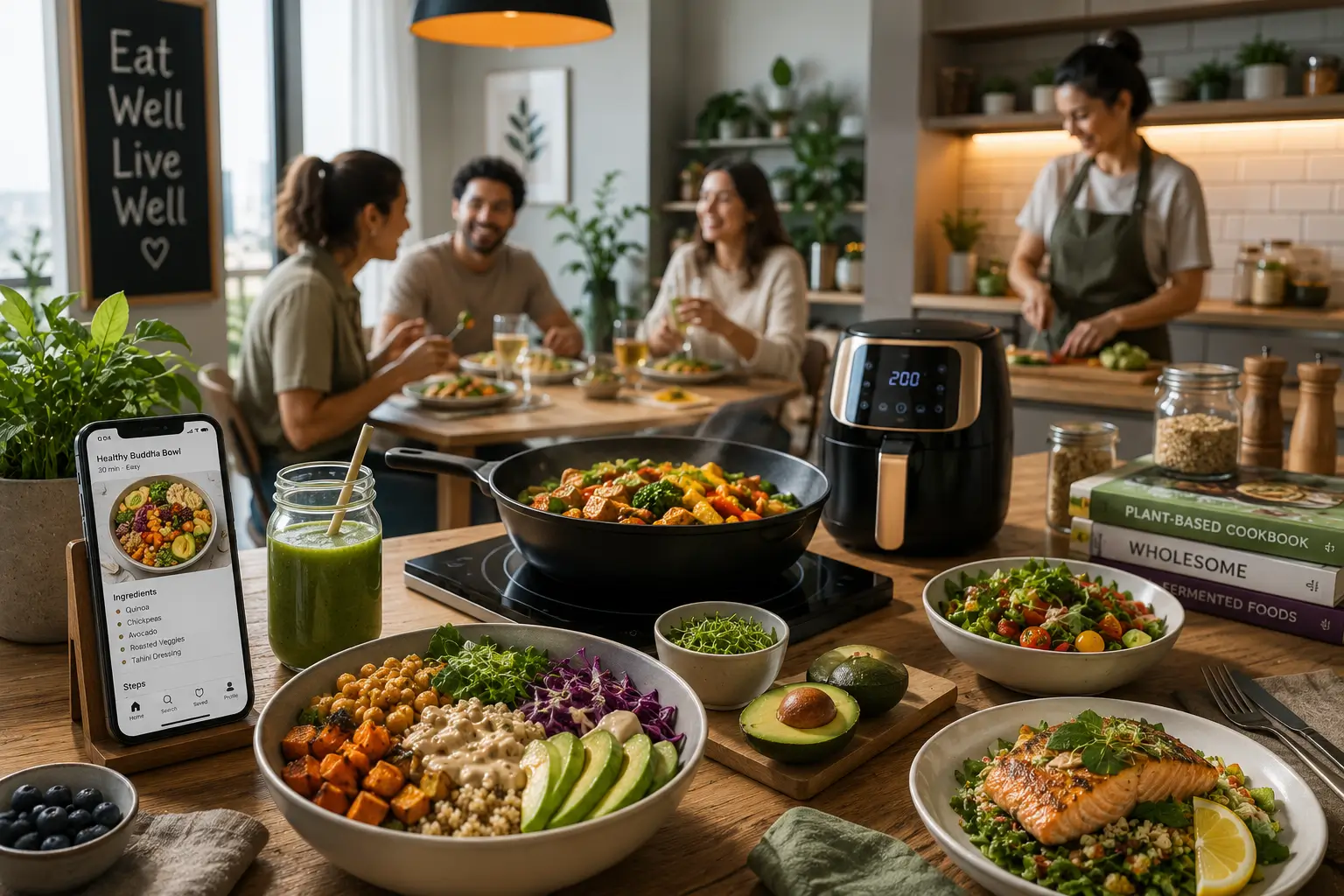
Home cooking has experienced a genuine resurgence in recent years, driven by a combination of economic pressures, renewed interest in the process of cooking itself, and a cultural shift towards viewing meal preparation as a genuinely enjoyable activity rather than simply a necessary chore to get through as efficiently as possible.
Social media has played a significant role in this shift, with cooking content consistently among the most popular categories across nearly every major platform. This has democratised access to techniques and cuisines that might once have felt intimidating or inaccessible, allowing home cooks to learn everything from professional knife skills to the fundamentals of previously unfamiliar global cuisines, often through short, genuinely engaging video content rather than lengthy traditional recipes and cookbooks.
Meal planning and batch cooking have also grown in popularity, partly as a genuine response to rising food costs and partly reflecting a broader desire to reduce daily decision fatigue around what to cook. Preparing meals in advance, whether through dedicated batch cooking sessions or simply thoughtful planning around the week ahead, has proven to be one of the more effective strategies for both saving money and reducing the reliance on convenience food or takeaways during busy periods — a genuinely practical habit that tends to pay dividends across both budget and overall diet quality.
Changing Expectations Around Dining Out
The restaurant industry has undergone considerable change in recent years, shaped by shifting consumer priorities, economic pressures, and evolving expectations about what makes a dining experience genuinely worth paying for, particularly as the cost of eating out has risen alongside broader inflationary pressures.
Value has become an increasingly important consideration for diners, though this doesn’t necessarily mean simply seeking the cheapest option available. Instead, diners are increasingly discerning about where their money goes, favouring establishments that offer genuine quality, distinctive experience, or meaningful atmosphere over generic, unremarkable dining that fails to justify its cost relative to cooking at home. This has created real pressure on mid-tier, undifferentiated restaurants, while both high-quality casual dining and genuinely distinctive premium experiences have generally continued to perform well.
Technology has also reshaped the dining experience considerably, from QR code menus and app-based ordering to sophisticated reservation and waitlist management systems. While some of these changes have proven genuinely useful for both diners and restaurant operators, there’s also been a notable pushback in certain quarters against the erosion of genuine human interaction in dining — a tension that many establishments are still actively working out how to balance appropriately, recognising that efficiency and genuine hospitality don’t always naturally align.
The Rise of Plant-Based and Sustainable Eating
Plant-based eating has moved considerably beyond its niche origins into genuine mainstream territory, driven by a combination of health consciousness, environmental awareness, and animal welfare concerns. This shift doesn’t necessarily mean widespread adoption of strict vegetarian or vegan diets — for many people, it looks more like a gradual, flexible reduction in meat and dairy consumption rather than complete elimination.
Plant-based alternatives have improved considerably in both quality and variety, moving well beyond the somewhat limited and often unconvincing options that characterised earlier generations of these products. This has made incorporating more plant-based meals into a regular diet considerably more appealing and practical for people who aren’t necessarily committed vegetarians or vegans but are genuinely interested in reducing their environmental footprint or exploring the demonstrated health benefits associated with increased plant consumption.
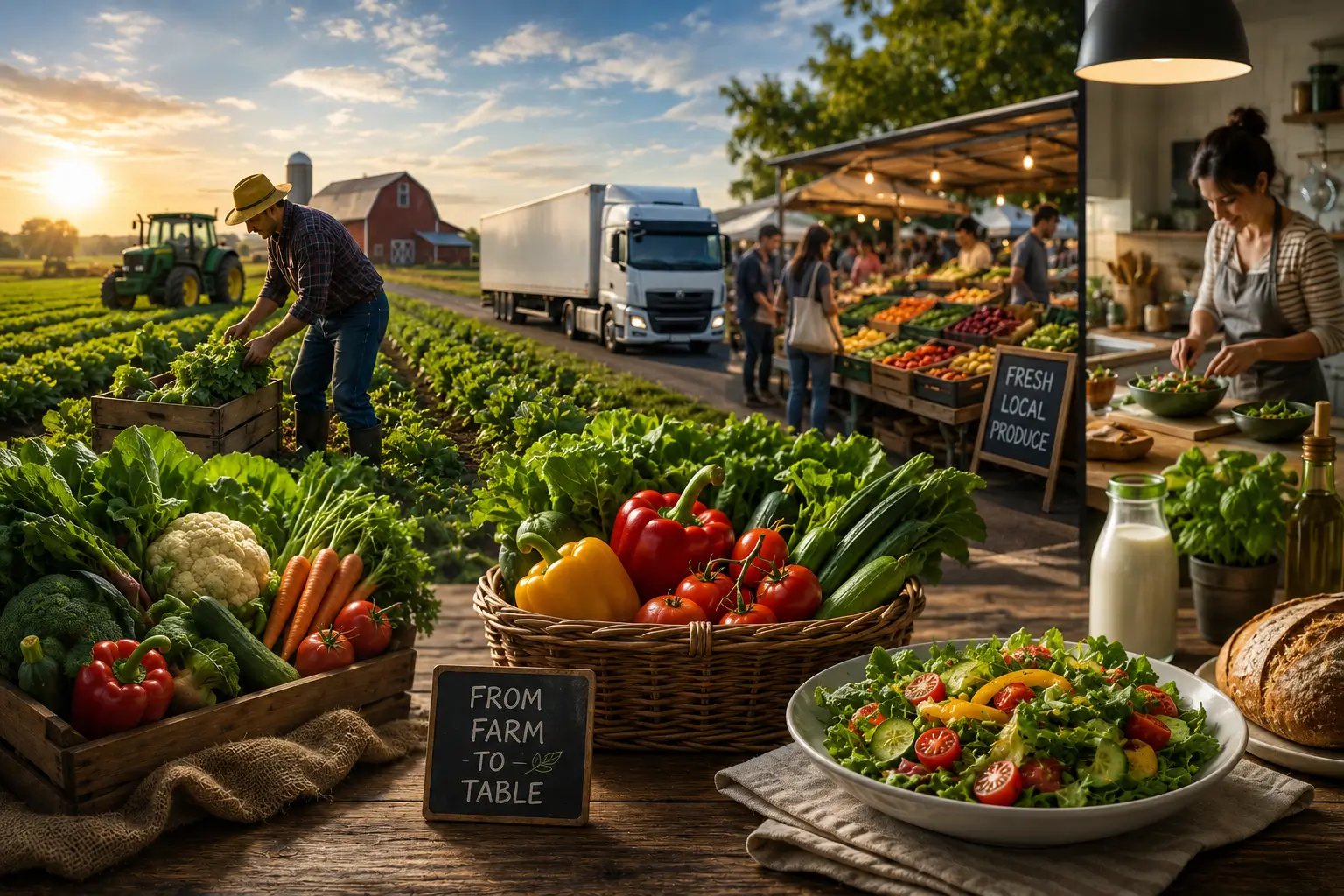
Sustainability more broadly has become a significant factor in food choices for a growing number of consumers, encompassing everything from reducing food waste to considering the environmental impact of specific ingredients and their production methods. This growing awareness has prompted many people to pay closer attention not just to what they eat, but to the broader systems and technology increasingly involved in how food actually reaches their plate, from supply chain logistics to the tools reshaping food production and distribution more generally.
Drinks Culture: Beyond the Traditional Categories
The world of drinks — alcoholic and otherwise — has undergone its own significant transformation, reflecting many of the same broader shifts seen across food more generally: growing health consciousness, interest in quality over quantity, and genuine curiosity about craft and provenance.
The no and low-alcohol category has grown remarkably in recent years, moving well beyond the limited, often underwhelming options available even a few years ago. Sophisticated non-alcoholic beers, wines, and spirits alternatives have made it genuinely easier for people to participate fully in social drinking occasions without alcohol, reflecting a broader cultural shift towards more mindful, intentional drinking habits rather than a wholesale rejection of drinking culture itself.
At the same time, interest in craft and artisanal drinks has continued to grow across nearly every category — coffee, tea, spirits, and specialty non-alcoholic beverages alike. Consumers increasingly want to understand the story and craftsmanship behind what they’re drinking, mirroring the same growing appetite for provenance and quality seen across food more broadly. This deeper interest in where things genuinely come from connects closely to broader questions about health and how everyday choices around food and drink ultimately support longer-term physical and mental wellbeing, reinforcing just how interconnected our daily habits around eating and drinking really are with overall quality of life.
Ultimately, how we cook, eat, and drink continues to reflect broader cultural currents — around health, sustainability, technology, and genuine human connection. The trends reshaping food culture today aren’t simply about what’s on the plate; they reflect deeper shifts in how people want to live, spend their time, and connect with others through one of life’s most universal shared experiences.